



DOT1L
Disruptor of telomeric silencing 1-like (DOT1L) is the sole histone H3 lysine 79 (H3K79) methyltransferase in mammalian cells, catalyzing mono-, di-, and tri-methylation that regulates chromatin structure and gene expression[1][2]. Mechanistically, DOT1L contributes to transcriptional initiation by recruiting general transcription factors, including TBP and TFIIA, and facilitates RNA polymerase II occupancy at promoters[3][2]. Beyond transcription, DOT1L-mediated H3K79 methylation maintains genomic stability, regulates the cell cycle, and supports DNA damage response in multiple tissues[4][2][5]. In hematopoietic progenitors, DOT1L primarily acts as a transcriptional repressor, with deficiency leading to impaired erythropoiesis and cell cycle arrest[5][1]. Compared with related isoforms in lower eukaryotes, mammalian DOT1L performs both methyltransferase-dependent and independent functions, whereas kinetoplastid DOT1A and DOT1B display distinct substrate preferences and methylation kinetics[6][7]. DOT1L has critical roles in disease models: it sustains leukemic transformation in MLL-rearranged leukemia, regulates ovarian cancer stem cell self-renewal via β-catenin signaling, and influences cardiac and renal development[1][8][9][10]. Small-molecule inhibitors such as EPZ-5676 selectively target DOT1L, reducing H3K79 methylation, impairing cancer stem cell function, and offering therapeutic potential in both hematologic and solid malignancies[8][11][3]. These inhibitors enable experimental modulation of DOT1L activity, providing insights into lineage-specific gene regulation and epigenetic control of cell identity[12][3].
References:
- [1]. Arnold O, et al. The Role of DOT1L in Normal and Malignant Hematopoiesis. Front Cell Dev Biol. 2022 May 26;10:917125. [Content Brief]
- [2]. Zhang Y, et al. DOT1 L Regulates Ovarian Cancer Stem Cells by Activating β-catenin Signaling. Mol Cancer Res. 2023 Feb 1;21(2):140-154. [Content Brief]
- [3]. Hermans A, et al. A 3D-Printed and Freely Available Device to Measure the Zebrafish Optokinetic Response Before and After Injury. Zebrafish. 2024 Apr;21(2):144-148. [Content Brief]
- [4]. Lee JY, et al. DOT1L: a new therapeutic target for aggressive breast cancer. Oncotarget. 2015 Oct 13;6(31):30451-2. [Content Brief]
- [5]. Frisbie VS, et al. Two DOT1 enzymes cooperatively mediate efficient ubiquitin-independent histone H3 lysine 76 tri-methylation in kinetoplastids. Nat Commun. 2024 Mar 19;15(1):2467. [Content Brief]
- [6]. Kim W, et al. The histone methyltransferase Dot1/DOT1L as a critical regulator of the cell cycle. Cell Cycle. 2014;13(5):726-38. [Content Brief]
- [7]. Nguyen AT, et al. DOT1L regulates dystrophin expression and is critical for cardiac function. Genes Dev. 2011 Feb 1;25(3):263-74. [Content Brief]
- [8]. Wille CK, et al. DOT1L inhibition enhances pluripotency beyond acquisition of epithelial identity and without immediate suppression of the somatic transcriptome. Stem Cell Reports. 2022 Feb 8;17(2):384-396. [Content Brief]
- [9]. Wang F, et al. Targeted disruption of the histone lysine 79 methyltransferase Dot1L in nephron progenitors causes congenital renal dysplasia. Epigenetics. 2021 Nov;16(11):1235-1250. [Content Brief]
- [10]. Wood K, et al. DOT1L and H3K79 Methylation in Transcription and Genomic Stability. Biomolecules. 2018 Feb 27;8(1):11. [Content Brief]
- [11]. Dindar G, et al. Structure-guided mutational analysis reveals the functional requirements for product specificity of DOT1 enzymes. Nat Commun. 2014 Nov 12;5:5313. [Content Brief]
- [12]. Kurani H, et al. DOT1L Mediates Stem Cell Maintenance and Represents a Therapeutic Vulnerability in Cancer. Cancer Res. 2025 Mar 3;85(5):838-847. [Content Brief]
-
DOT1L Related Products (21)
Related Products (21)

- 1
- 2
-
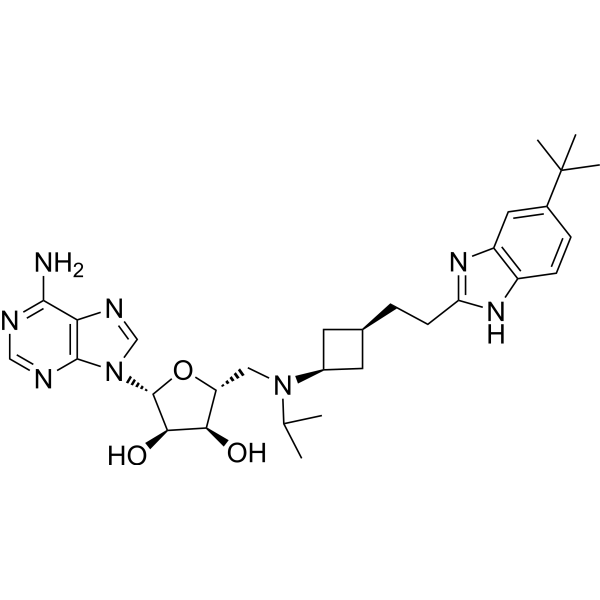
EPZ004777
 0 ImagesEPZ004777 is an effective and selective DOT1L inhibitor, with IC50 being 0.4 nM. EPZ004777 reduces the levels of H3K79me2 and H3K79me1, significantly down-regulating the expression of HOXA9 and MEIS1. EPZ004777 selectively inhibits the proliferation of MLL rearrangement cells and promotes the differentiation and subsequent apoptosis (apoptosis) of leukemia cells. EPZ004777 can be used for the study of leukemia.
-
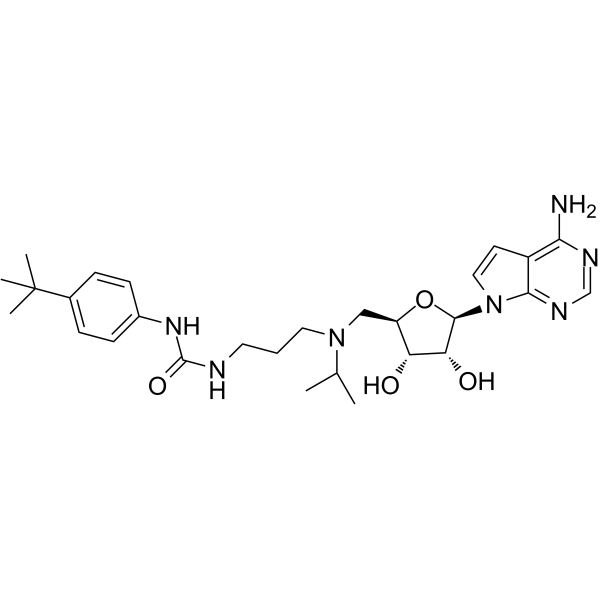
SGC0946
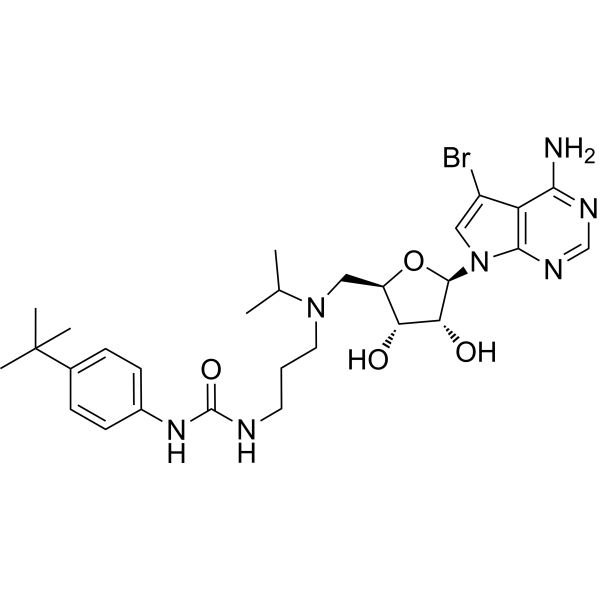 0 ImagesSGC0946 is a selective DOT1L inhibitor with an IC50 value of 0.3 nM. By inhibiting DOT1L, SGC0946 can induce G1 phase arrest, suppress cell self-renewal and metastatic potential, and induce cell differentiation in cancer cells. SGC0946 can be used in the research of tumors such as leukemia and breast cancer, and also serves as a probe to further investigate the cellular mechanisms of DOT1L in normal and diseased cells.
-
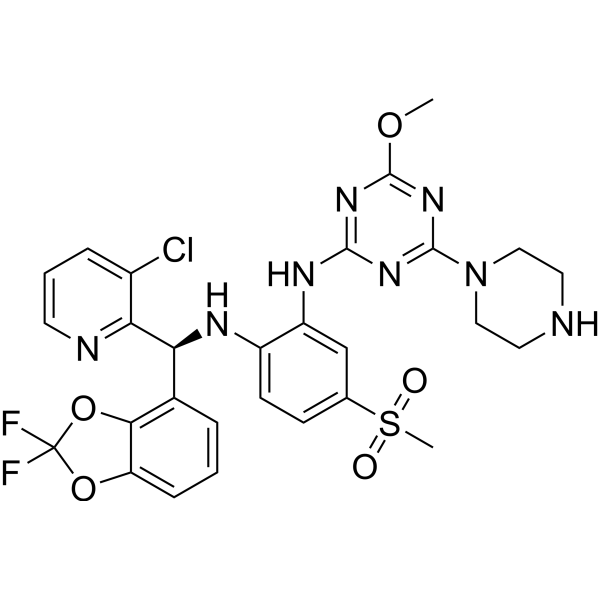
MS4322
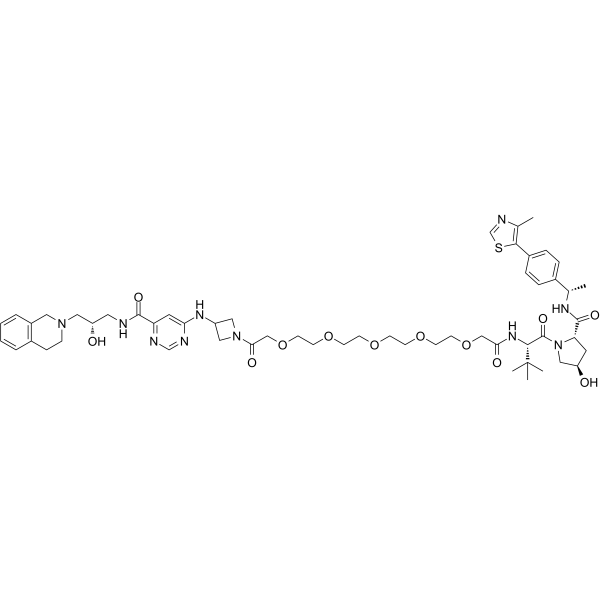 0 ImagesSynonyms: YS43-22MS4322 (YS43-22) is a specific PRMT5 PROTAC degrader. MS4322 reduces the PRMT5 protein level with a DC50 of 1.1 μM in MCF-7 cells. MS4322 inhibits the methyltransferase activity of PRMT5 with an IC50 of 18 nM. MS4322 promotes ubiquitination and degradation of PRMT5. MS4322 can be used for the research of breast cancer, lung cancer, and hepatocellular cancer. (Pink: PRMT5 ligand (HY-173092); Blue: E3 ligase ligand HY-112078); Black: linker (HY-124780); E3+linker (HY-173093 )).


-
EPZ004777 hydrochloride
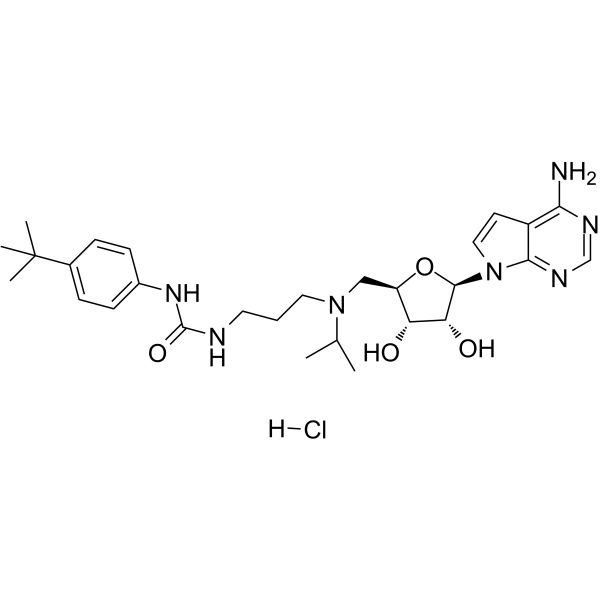 0 ImagesEPZ004777 hydrochloride is an effective and selective DOT1L inhibitor, with IC50 being 0.4 nM. EPZ004777 hydrochloride reduces the levels of H3K79me2 and H3K79me1, significantly down-regulating the expression of HOXA9 and MEIS1. EPZ004777 hydrochloride selectively inhibits the proliferation of MLL rearrangement cells and promotes the differentiation and subsequent apoptosis (apoptosis) of leukemia cells. EPZ004777 hydrochloride can be used for the study of leukemia.
-
MS4322 (isomer)
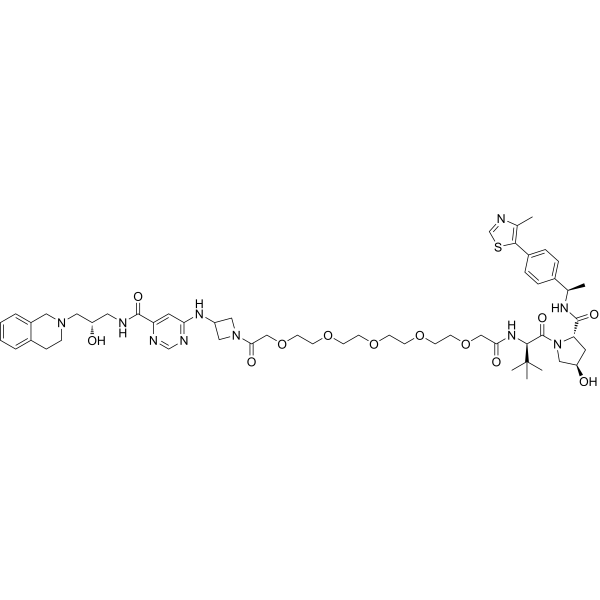 0 ImagesSynonyms: YS43-22 (isomer)MS4322 (YS43-22) isomer is an isomer of MS4322. MS4322 is a specific PRMT5 PROTAC degrader. MS4322 reduces the PRMT5 protein level with a DC50 of 1.1 μM in MCF-7 cells. MS4322 inhibits the methyltransferase activity of PRMT5 with an IC50 of 18 nM. MS4322 promotes ubiquitination and degradation of PRMT5. MS4322 can be used for the research of breast cancer, lung cancer, and hepatocellular cancer.
-
DC-S239
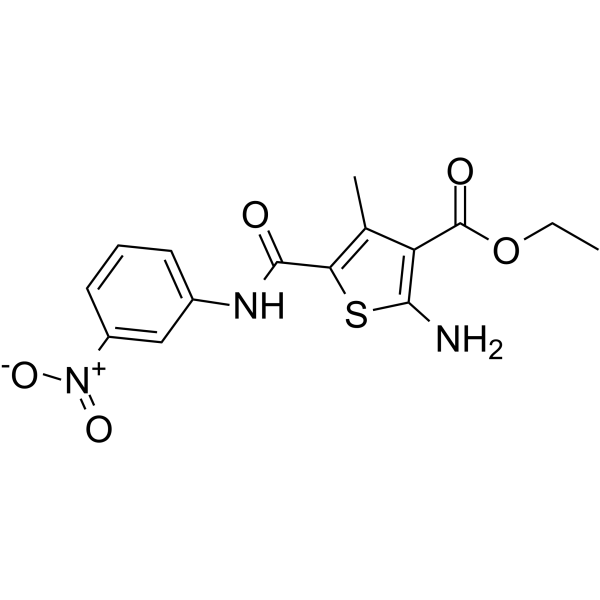 0 ImagesDC-S239 is a selective histone methyltransferase SET7 inhibitor with an IC50 value of 4.59 μM. DC-S239 also displays selectivity for DNMT1, DOT1L, EZH2, NSD1, SETD8 and G9a. DC-S239 has anticancer activity.
-
Dot1L-IN-1 TFA
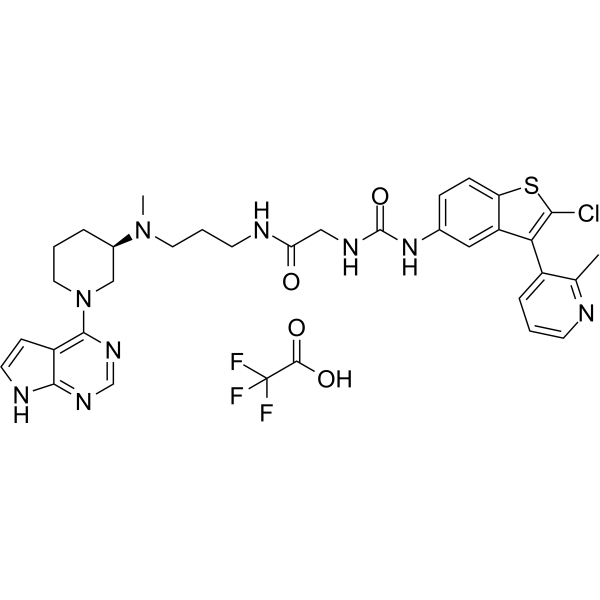 0 ImagesCat. No.: HY-101520APurity: 99.59%Dot1L-IN-1 TFA is a highly potent and selective Dot1L inhibitor with a Ki of 2 pM and an IC50 of <0.1 nM. Dot1L-IN-1 TFA potently suppresses H3K79 dimethylation (IC50=3 nM), as well as the activity of the HoxA9 promoter (IC50=17 nM) in HeLa and Molm-13 cells, respectively.
-
Dot1L-IN-1
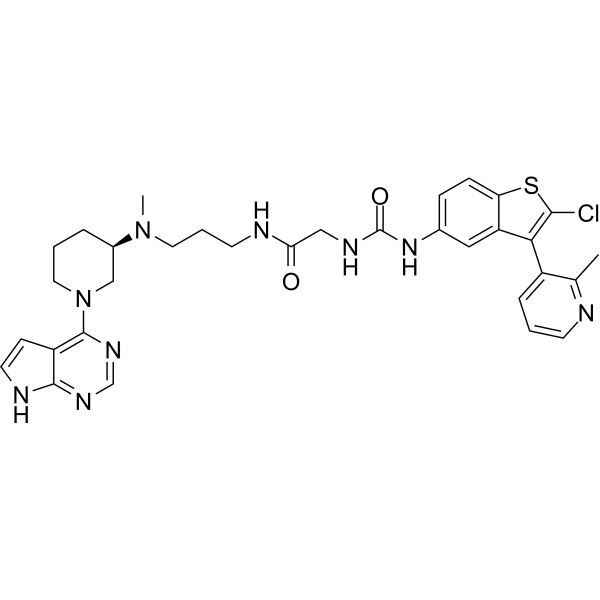 0 ImagesCat. No.: HY-101520CAS No.: 2088518-50-5Dot1L-IN-1 is a highly potent and selective Dot1L inhibitor with a Ki of 2 pM and an IC50 of <0.1 nM. Dot1L-IN-1 potently suppresses H3K79 dimethylation (IC50=3 nM), as well as the activity of the HoxA9 promoter (IC50=17 nM) in HeLa and Molm-13 cells, respectively.
-
MS2133
 0 ImagesCat. No.: HY-173422MS2133 is a VHL-recruiting DOT1L PROTAC degrader. MS2133 possesses antiproliferative activity with a human DOT1L IC50 of 4.6 nM, forms a ternary complex with DOT1L and VHL E3 ligase to drive DOT1L ubiquitination and subsequent proteasomal degradation without affecting DOT1L mRNA transcription, inhibits the proliferation of mixed lineage leukemia-rearranged leukemia cells and downregulates H3K79Me2, restrains proliferation of both tumor and normal cells but lacks cytotoxicity against normal cells, and can be used for the research of mixed lineage leukemia-rearranged leukemia.


-
MS2734
 0 ImagesCat. No.: HY-111367CAS No.: 2587612-25-5MS2734 is a dual-substrate NNMT inhibitor that acts as a SAM (HY-B0617) competitor and a non-competitor of Nicotinamide (HY-B0150), with an IC50 of 14 μM and a Kd of 2.7 μM against hNNMT. MS2734 inhibits the methyltransferase activities of DOT1L (IC50 1.3 μM), PRMT7 (IC50 20 μM), BCDIN3D (IC50 40 μM) and SMYD2 (IC50 62 μM). MS2734 is applicable to research related to diabetes, obesity and various cancers.
-
SGC0946 TFA
 0 ImagesCat. No.: HY-15650ASGC0946 TFA is a selective DOT1L inhibitor with an IC50 value of 0.3 nM. By inhibiting DOT1L, SGC0946 TFA can induce G1 phase arrest, suppress cell self-renewal and metastatic potential, and induce cell differentiation in cancer cells. SGC0946 TFA can be used in the research of tumors such as leukemia and breast cancer, and also serves as a probe to further investigate the cellular mechanisms of DOT1L in normal and diseased cells.
-
Dot1L-IN-7
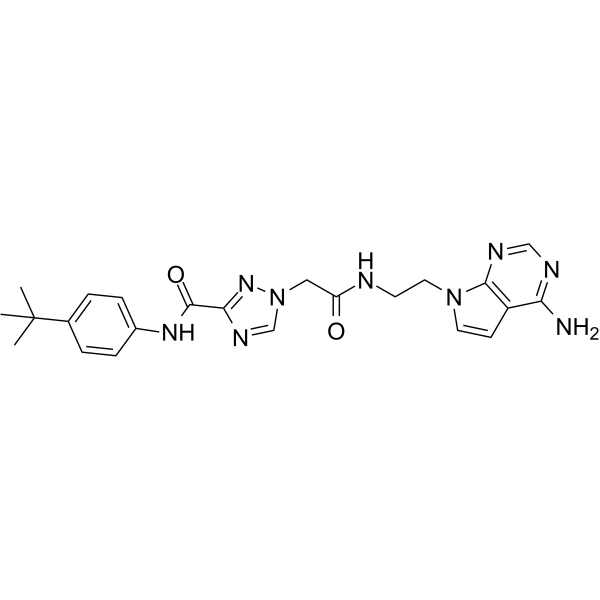 0 ImagesCat. No.: HY-146724CAS No.: 2580940-76-5Dot1L-IN-7 (compound 25) is a potent and selective disruptor of telomeric silencing 1-like protein (DOT1L) inhibitor with an IC50 of 1.0 μM. Dot1L-IN-7 selectively killed Mixed Lineage Leukemia (MLL)-AF9 without showing any effect on the growth of E2A-HLF cells.
-
EPZ004777 formate
 0 ImagesCat. No.: HY-115619EPZ004777 formate is an effective and selective DOT1L inhibitor, with IC50 being 0.4 nM. EPZ004777 formate reduces the levels of H3K79me2 and H3K79me1, significantly down-regulating the expression of HOXA9 and MEIS1. EPZ004777 formate selectively inhibits the proliferation of MLL rearrangement cells and promotes the differentiation and subsequent apoptosis (apoptosis) of leukemia cells. EPZ004777 formate can be used for the study of leukemia.
- 1
- 2



